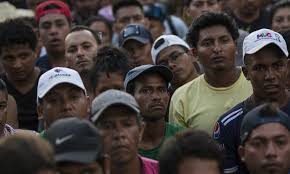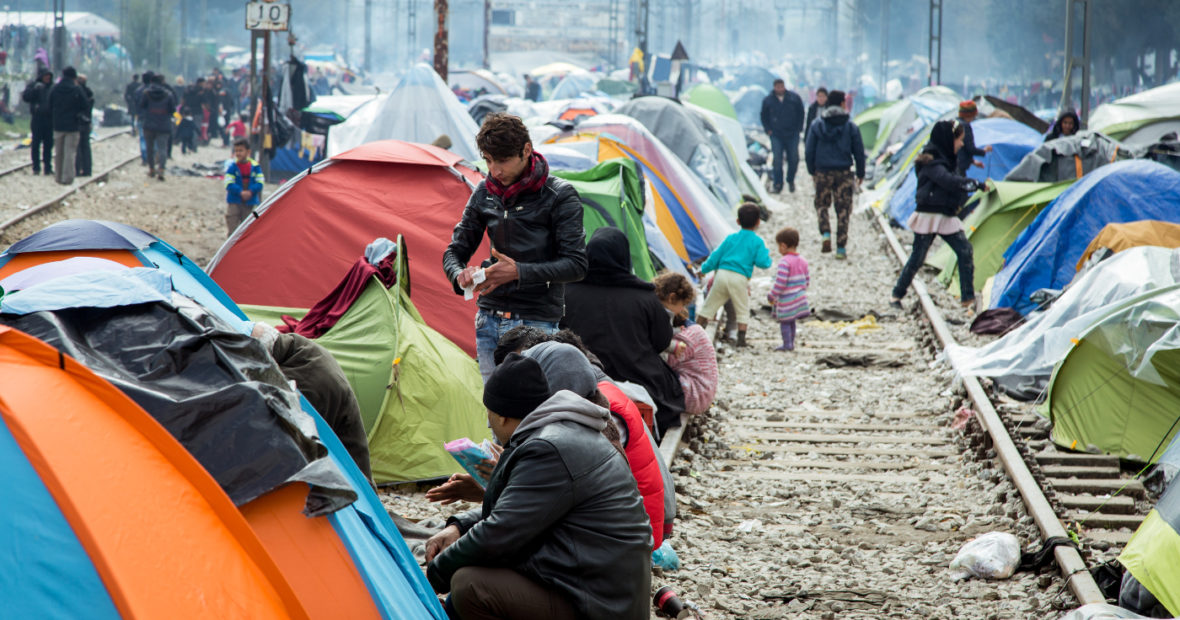
Europe continues to grapple with mixed migration flows, though at lower levels than the 2015–2016 peak. As of late 2025, Greece has seen increased sea arrivals compared to recent years, with over 57,000 irregular crossings by November (including land borders), according to UNHCR and Frontex data. Islands like Lesvos remain key entry points, though numbers are far below historical highs (e.g., around 11,200 arrivals in Lesvos in prior years, with fluctuations).
The former Moria camp, destroyed by fire in 2020, has been replaced by facilities like Mavrovouni (Kara Tepe) and ongoing construction of new Closed Controlled Access Centres (CCACs). Conditions in reception sites have drawn criticism for overcrowding, limited services, and vulnerabilities, despite EU investments in improved infrastructure.
Organizations like UNHCR, IOM, and the International Rescue Committee emphasize risks during journeys and in reception: violence, detention, and exploitation. The EU’s Pact on Migration and Asylum supports better management, but challenges persist.
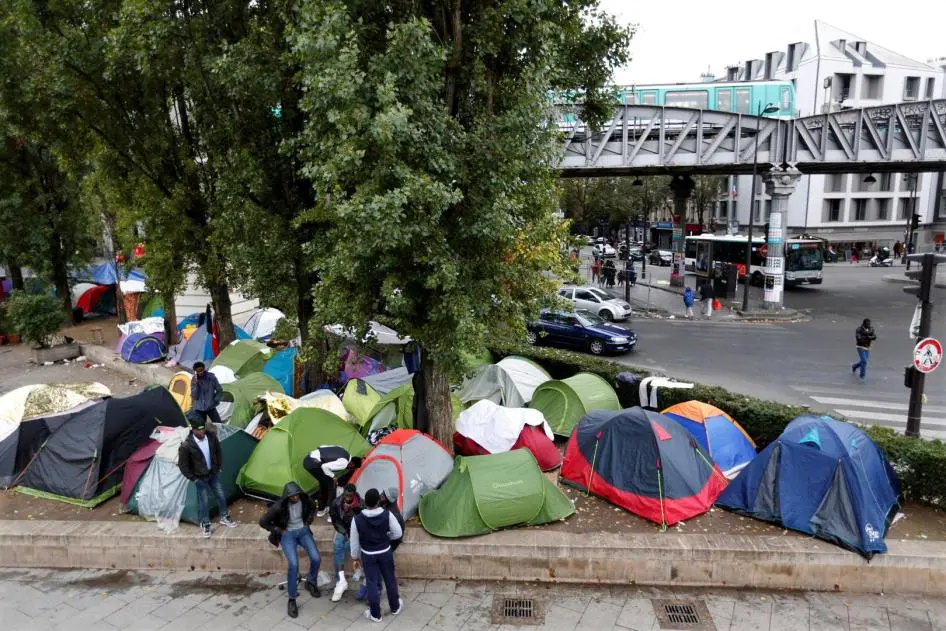
Sexual Exploitation: A Grave Risk for Refugee Women and Girls
Sexual exploitation remains a severe threat, disproportionately affecting women and girls. Reports from UNHCR, Amnesty International, and human rights groups highlight high rates of gender-based violence across migration stages—in transit (by smugglers), in camps, and in host countries. “Survival sex” for basic needs is common due to economic precarity.
In Greece, including islands like Lesvos, mixed facilities and resource shortages heighten risks. Recent UN concerns include failures to identify trafficking victims promptly, with cases of sexual violence and coercion noted in reception centers. While no widespread evidence exists of adult women being systematically forced into non-consensual pornographic videos in Europe, trafficking networks can involve extreme coercion, and vulnerabilities persist.
A related issue is the rise of fetishized “refugee porn” online since 2015—simulated content exploiting migration narratives on platforms like porno. This is predominantly staged, not involving real victims, but it perpetuates harmful stereotypes.
Practical Information for Arrivals in Lesvos (Inspired by Historical Guidance)
Drawing from resources during the 2015–2016 crisis (when sites provided vital info for Lesvos arrivals), here’s updated context:
- Arrival and Registration: New arrivals are processed at reception facilities. Asylum procedures are handled by Greek authorities with EUAA/UNHCR support. Registration is free—avoid paying anyone.
- Accommodation: Official sites provide shelter. Vulnerable groups may access supported housing via programs like ESTIA (on mainland).
- Travel to Mainland: Eligible persons can buy ferry tickets (e.g., Hellenic Seaways, Blue Star) from Mytilene port to Athens/Piraeus.
- Services: Medical care at local hospitals; emergency contacts via 112. UNHCR and partners offer info and aid.
Current reliable platforms include refugee.info (active service with multilingual info for Greece: greece.refugee.info) and UNHCR’s Help site (help.unhcr.org/greece).
Toward Ethical Awareness and Stronger Protections
Combating exploitation requires robust anti-trafficking measures, gender-segregated facilities, and awareness. The EU and Greece have enhanced victim identification and support, but more is needed: psychological aid, safe reporting, and integration.
In parallel, promoting ethical alternatives in adult content is key. Legal platforms prioritizing consent and responsible production contrast exploitative material—e.g., French sites like www.filmpornofrancais.fr offering voluntary, high-quality videos.
Refugees enrich Europe, but protection demands vigilance. Stay informed via trusted sources.
Main sources: UNHCR data (2025), IOM, EUAA, Amnesty International, Human Rights Watch reports (updated to 2025).